Every few years, a new technology comes along that’s so obviously the right answer that within months, everyone is using it, and you can’t remember how things worked before. USB-C for chargers. HTTPS for the web. In 2026, that technology for AI is MCP: the Model Context Protocol.
I’m going to explain what MCP is, why it matters, and why 97 million monthly SDK downloads in under 18 months suggests this is the most important AI infrastructure development you haven’t fully appreciated yet.
—
## What Is MCP?
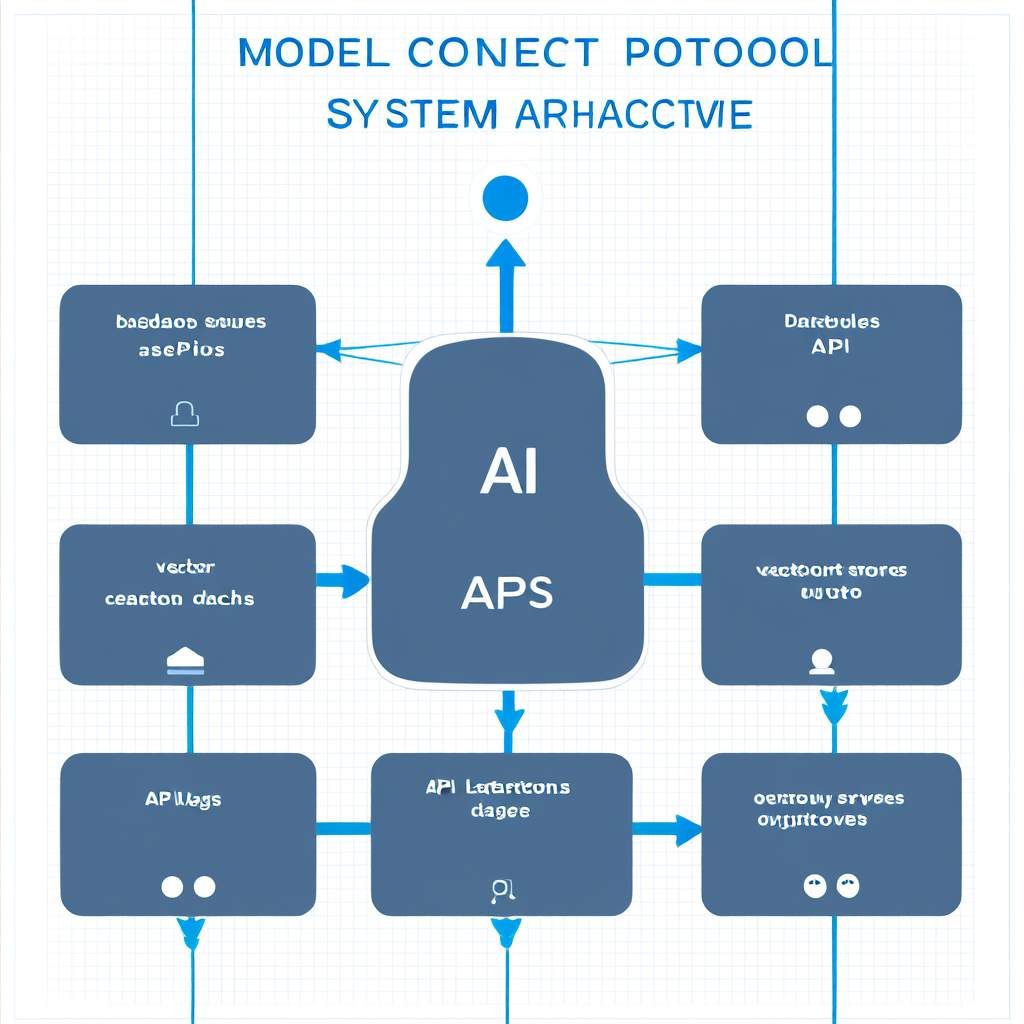
MCP (Model Context Protocol) is an open standard that lets AI models connect to tools, data sources, and APIs through a single interface. Think of it as a universal adapter for AI: instead of building a custom integration for every tool your AI needs to use (a database here, a Slack connection there, a file system over there), MCP provides one protocol that handles all of them.
Before MCP, connecting an AI to external tools meant:
– Writing custom code for each integration
– Managing authentication separately for each service
– Handling errors differently for each API
– Updating integrations when APIs changed
With MCP:
– One protocol, one authentication model
– Any MCP-compatible tool works with any MCP-compatible AI
– Adding a new capability means finding an MCP server, not writing code
It was originally open-sourced by Anthropic in November 2024, but by March 2026, it reached 97 million monthly SDK downloads and over 10,000 active server implementations. It’s now governed by the Linux Foundation, and every major cloud provider (AWS, Google Cloud, Azure) backs it.
—
## Why Does MCP Matter?
### For Developers
If you’re building AI-powered applications, MCP changes your architecture from “integrate each tool individually” to “plug into the MCP ecosystem.” Need your AI to read a database? There’s an MCP server for PostgreSQL. Need it to send Slack messages? MCP server for Slack. Need it to browse the web? MCP server for browser automation.
The time savings are enormous. A typical AI integration that used to take 2-3 days of development now takes 30 minutes of configuration.
### For Businesses
MCP creates a competitive market for AI tools. If your AI platform only works with proprietary integrations, you’re locked in. If it works with MCP, you can switch AI providers without rebuilding your toolchain. This is why the Linux Foundation governance matters鈥攊t ensures the protocol stays open and neutral.
### For End Users
MCP means your AI tools actually work together. The Claude you use for writing can access the same files, databases, and tools as the GPT you use for analysis. Your data isn’t siloed behind proprietary integration layers.
—
## Real-World Examples
**Customer support**: An MCP-connected AI agent can read your knowledge base (via database MCP), check order status (via Shopify MCP), and send a refund (via Stripe MCP)鈥攁ll in one conversation, all through one protocol.
**Content creation**: An AI can research via web MCP, save to Notion via Notion MCP, generate images via DALL-E MCP, and schedule posts via Buffer MCP. Zero custom integration code.
**Development**: Claude Code uses MCP to access your codebase, run tests, and deploy. Codex uses MCP for its plugin ecosystem. Windsurf uses MCP for tool integration. Every major coding tool in 2026 speaks MCP.
—
## The Future
MCP is evolving rapidly. By late 2026, expect:
– **MCP Discovery**: a marketplace where you can find and install MCP servers in one click
– **MCP Federation**: connect MCP servers across organizational boundaries securely
– **MCP Governance**: the Linux Foundation is developing certification standards for MCP server quality and security
The reason MCP matters more than most AI news is simple: it’s not about making AI smarter. It’s about making AI useful. A smarter model that can’t access your data is a demo. A decent model that can access everything is a tool you use every day. MCP is what turns AI demos into AI tools.