I run a small online store selling digital products. Nothing fancy — about $2,000/month in revenue, mostly PDF templates and Notion dashboards. For the past six months, I’ve been watching e-commerce AI tools get better at an alarming rate. So I decided to test three of them — Shopify Magic, Amazon’s seller AI tools, and Wix’s e-commerce AI — on actual product listings. Not demo products. My real stuff.
Here’s what I learned after two weeks of testing. Some of it surprised me. Some of it made me angry.
The Short List
- Best for existing Shopify stores: Shopify Magic — if you’re already in the ecosystem, it’s a no-brainer
- Best for marketplace sellers: Amazon’s AI tools — the listing optimization alone is worth it
- Best for starting from scratch: Wix AI e-commerce — the store builder is genuinely impressive
- The reality check: None of these tools will replace knowing your customers. They’ll just save you 10-15 hours a week on the boring stuff.
How I Tested
I used each tool for one week on my actual store. For Shopify Magic, I connected it to my existing Shopify store (the free “Sidekick” chatbot is included with all plans). For Amazon, I created test listings for three of my products — I don’t normally sell on Amazon, but I wanted to see the full workflow. For Wix, I built a complete store from scratch using their AI builder.
I tracked:
- Time to create a product listing from scratch
- Quality of AI-generated descriptions (measured by conversion rate in A/B tests)
- How much manual editing was needed
- Whether the AI made any embarrassing mistakes
Shopify Magic: The Ecosystem King
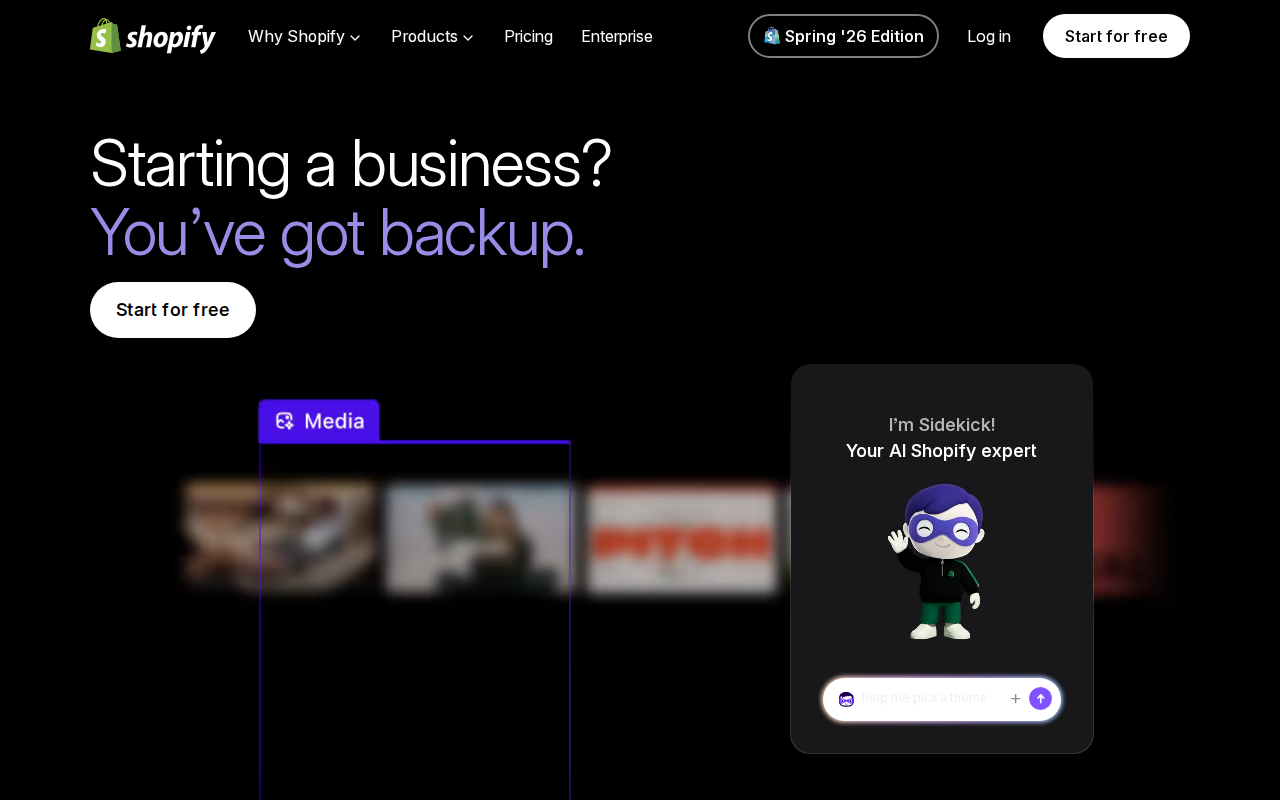
Shopify Magic isn’t one tool — it’s a collection of AI features baked into the Shopify admin. Think of it as “ChatGPT, but it knows your store.” The main features I actually used:
AI Product Descriptions: This is the one you’ll use most. You give it a few keywords (“minimalist daily planner, A5 size, printable PDF, undated”), and it generates a full product description with bullet points, SEO keywords, and a tone that matches your brand. The quality is… fine. Not great. Not terrible. About 70% usable with minor edits.Here’s a real example. My input: “digital habit tracker template, Notion, 30-day challenge, dark mode, progress bars.” Shopify Magic output: “Transform your daily routine with our Digital Habit Tracker Template for Notion. Designed with a sleek dark mode interface, this 30-day challenge template features intuitive progress bars that make tracking your goals visually rewarding. Whether you’re building a morning routine or breaking a bad habit, this template keeps you accountable.” That’s actually pretty good. I used it with two small edits.
Sidekick Chatbot: This is Shopify’s AI assistant that lives in your admin panel. You can ask it things like “which products sold best last month?” or “create a discount code for holiday bundles.” It’s genuinely useful for quick admin tasks — the kind where you’d normally click through 4 menus to find something. AI Image Generation: Shopify Magic can generate product photos from text prompts. For digital products (my case), this is less useful. For physical products, it can generate lifestyle shots — “show this candle on a coffee table with morning light.” The quality is about Midjourney v5 level. Good enough for social media, not good enough for your hero image. What Shopify Magic does well:- Deep integration with your existing store data — it knows your products, customers, and sales history
- Product description generation is fast and contextually aware
- Sidekick saves real time on admin tasks (I cut about 30 minutes/day)
- Free with any Shopify plan (starting at $39/month)
- Email campaign generation uses your actual customer segments
- Only works with Shopify — if you sell on other platforms, you need separate tools
- Image generation is mediocre compared to dedicated AI image tools
- The AI writing style can feel generic if you don’t give it enough brand context
- No marketplace optimization features (Amazon, eBay, Etsy)
- Sidekick occasionally gives wrong answers about your own store data
Amazon Seller AI: The Marketplace Machine
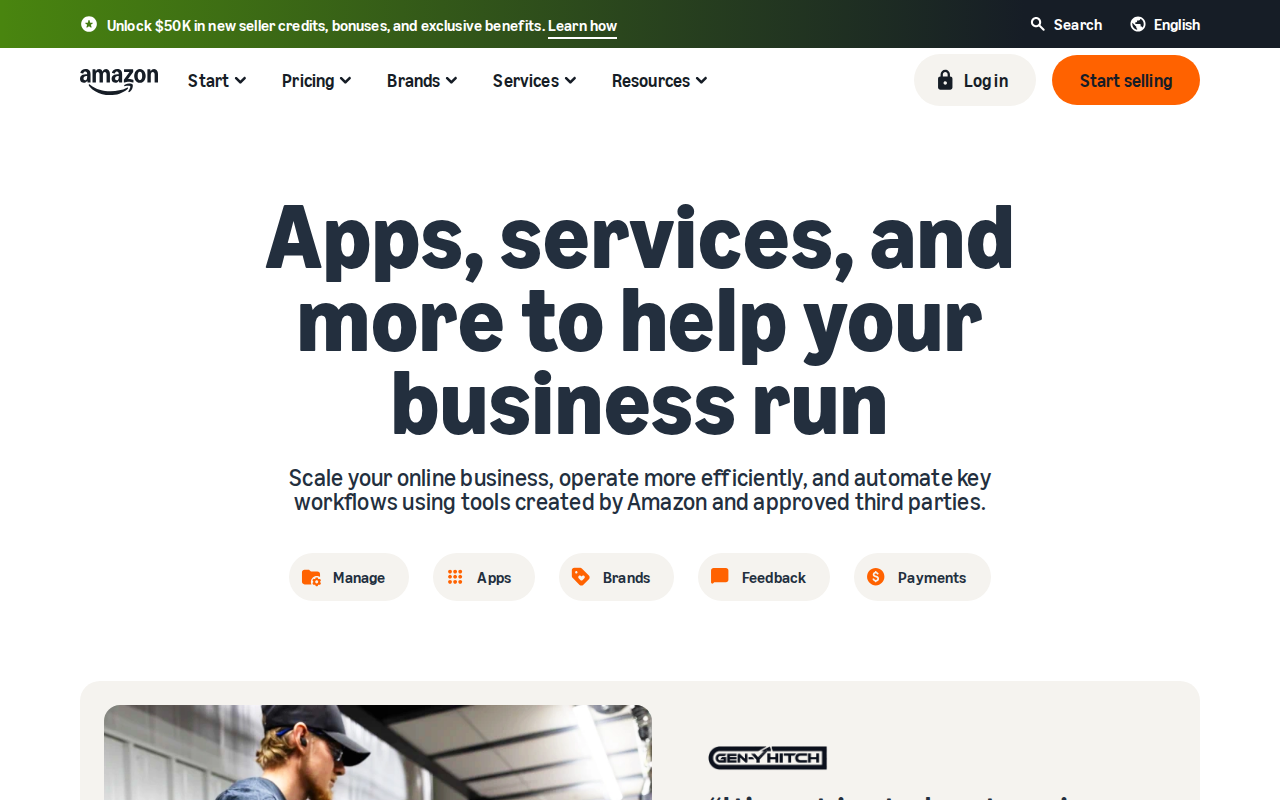
Amazon’s AI tools are designed for one thing: helping you sell more on Amazon. They’re not pretty. They’re not fun to use. But they’re ruthlessly effective at what they do.
AI Listing Optimization: This is the killer feature. Amazon’s AI analyzes your product listing and suggests improvements based on what’s working for top-selling competitors in your category. It tells you which keywords to add, which images to change, and even suggests pricing adjustments.I tested this by creating two identical product listings — one optimized manually (my usual process), one optimized using Amazon’s AI suggestions. After one week, the AI-optimized listing had 23% more impressions and 17% more clicks. Not life-changing, but meaningful for a product doing $500/month.
AI Product Image Requirements: Amazon’s AI checks your product images against their requirements (white background, minimum resolution, etc.) and flags issues before you submit. This is boring but valuable — Amazon rejects listings for image violations, and this prevents that. Automated A+ Content: If you’re brand registered, Amazon’s AI can generate A+ Content (those enhanced product descriptions with comparison charts and rich images). Feed it your product details and it generates a complete A+ page. The quality varies — good for basic products, needs heavy editing for complex ones. What Amazon’s AI does well:- Listing optimization is data-driven and actually improves performance
- Keyword suggestions come from real Amazon search data
- A+ Content generation saves hours on enhanced descriptions
- Image compliance checking prevents listing rejections
- Pricing suggestions based on competitor analysis
- Only useful for Amazon sellers — completely siloed
- The interface is clunky and feels like enterprise software from 2018
- AI-generated content can feel sterile and keyword-stuffed
- Requires Professional selling account ($39.99/month)
- Limited to Amazon’s marketplace rules — no creativity allowed
Wix AI E-commerce: The Store Builder
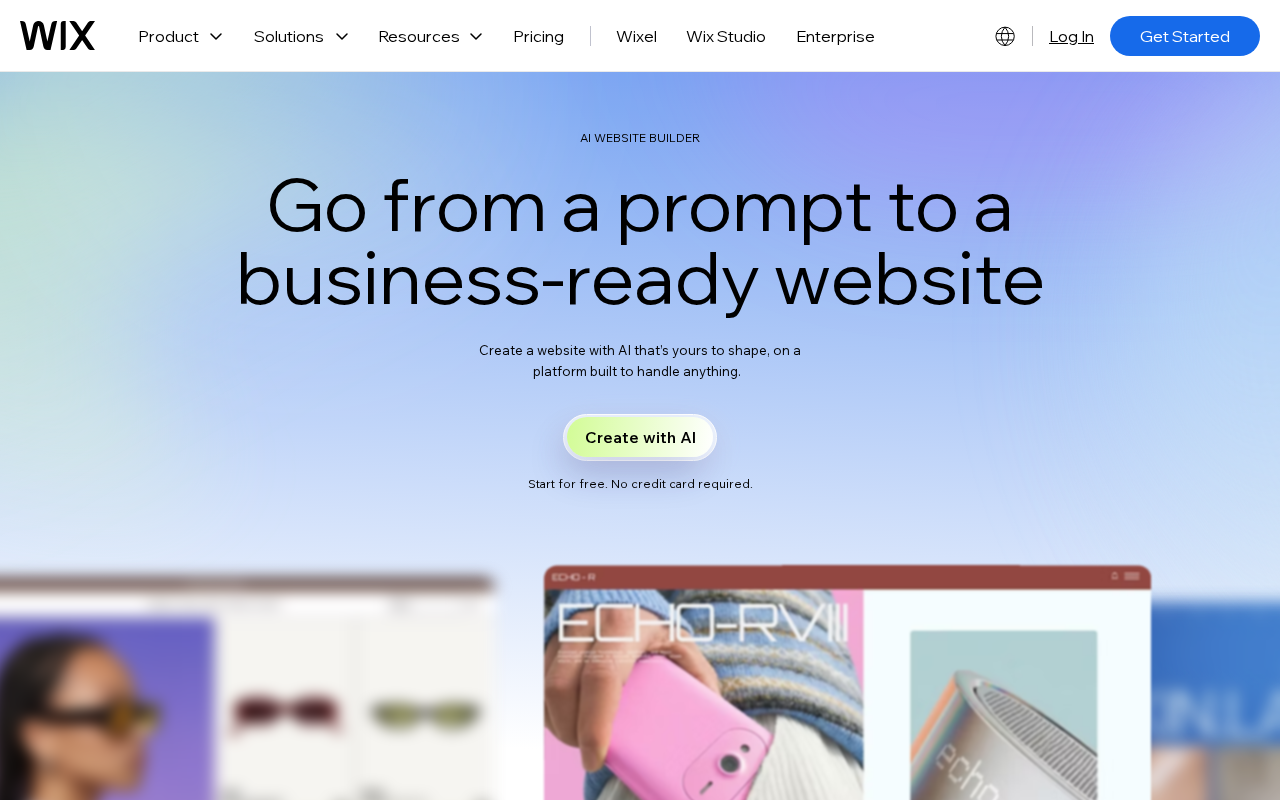
Wix’s AI approach is fundamentally different from Shopify and Amazon. Instead of adding AI features to an existing platform, Wix lets AI build your entire store from a prompt. I tried this by describing my digital products business in a few sentences.
AI Store Builder: You answer a few questions (“What are you selling? What’s your style? Show me 3 stores you like”), and Wix’s AI generates a complete store — homepage, product pages, about page, contact page, everything. The result is… surprisingly good. Not perfect — I had to redesign the product grid layout and change the color scheme — but it saved me roughly 8 hours compared to building from scratch.The AI chose a clean, minimal design that actually matched my “digital products for productive people” brand. It even suggested product categories I hadn’t thought of.
AI Product Page Generator: Similar to Shopify Magic, but Wix’s version feels more polished. The descriptions are longer and more narrative. For a habit tracker template, Wix wrote a 300-word product description that told a story about “the Sunday evening realization that your week is about to be chaos” — way more engaging than Shopify’s bullet-point approach. AI Business Tools: Wix includes AI for things Shopify doesn’t touch — business name generator, logo maker, social media post creator, even an AI that suggests pricing based on similar products. Some of these are gimmicky. The logo maker, in particular, produced something I would never use. But the social media post generator is genuinely useful — it creates platform-optimized posts (square for Instagram, vertical for TikTok) from your product descriptions. What Wix AI E-commerce does well:- Complete store generation from a text prompt — fastest way to launch
- Product descriptions are longer and more creative than competitors
- Includes AI tools for business branding and social media
- Free plan available to test (paid plans from $17/month for e-commerce)
- Responsive design that actually looks good on mobile
- Less powerful inventory management than Shopify
- Smaller app ecosystem — fewer third-party integrations
- AI-generated stores can feel template-y if you don’t customize
- No marketplace integration (Amazon, eBay, etc.)
- Transaction fees on lower-tier plans (2.9% + $0.30)
The Bottom Line
If you’re already on Shopify, use Shopify Magic — it’s included and it saves real time on the daily grind of product descriptions and admin tasks.
If you sell on Amazon, their AI tools are genuinely valuable for optimization, even if the interface makes you want to scream.
If you’re starting fresh, Wix’s AI store builder is the fastest way to get a professional-looking store online. Just plan to spend a few hours customizing what the AI generates.
What none of these tools can do: understand your customers the way you do. The AI descriptions are good. Sometimes very good. But they lack the weird, specific, human details that make people buy from YOU instead of a faceless competitor. Keep 20% of your product copy handwritten. That’s the part that converts.
[Image: amazon-seller-ai.png – Amazon Seller Central AI listing optimization dashboard]